
Wet or Dry? How to Choose a Head Spa Experience in Japan
If you're planning to try a head spa during your trip to Japan, should you go wet or dry? We break down the differences — treatment details, session length, and whether your hair gets washed — to help you find the style that suits you best.
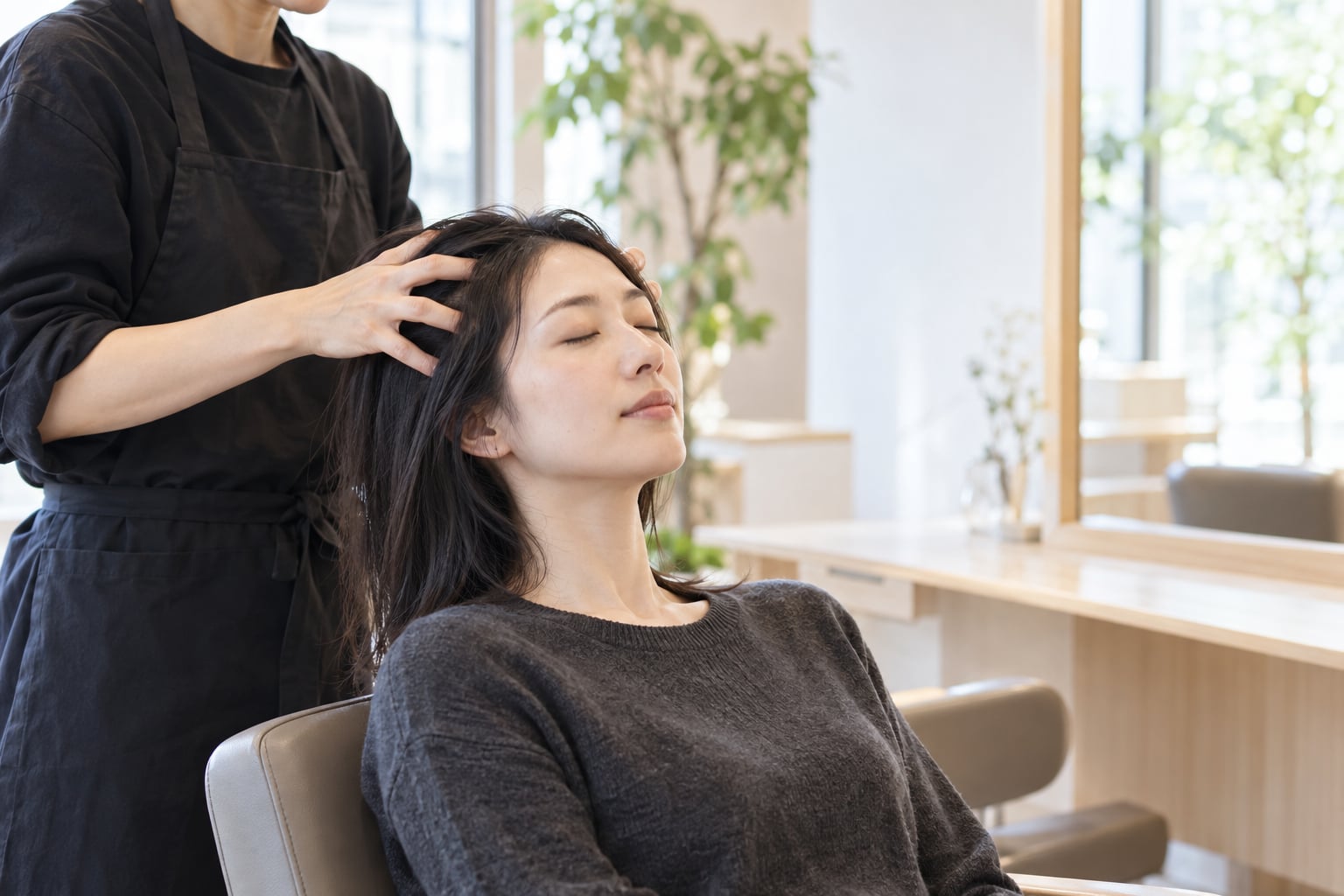
Thanks in part to social media, many visitors to Japan have it on their must-do list: experience a Japanese head spa. Head spas in Japan fall into two broad categories — the "wet head spa," which combines shampooing and scalp care, and the "dry head spa," which leaves your hair completely untouched by water. The two differ in treatment content, duration, and how you'll look afterward, so it's worth choosing the one that fits your travel plans.
In this guide, we'll walk travelers who aren't sure which to choose through how to find the head spa that's right for them.
Wet vs. Dry: Comparing Treatment Content, Duration, and Results
Head spas in Japan are broadly divided into two types: the "wet head spa" and the "dry head spa."Even though they share the same name, whether water and shampoo are used, the time required, and the end result are all quite different. Start by comparing the features of each to see which one suits your travel style.
What's the Difference Between Wet and Dry? Check the Comparison Table
Here are the main differences between wet and dry head spas.
| Wet Head Spa | Dry Head Spa |
Water / Shampoo | Used | Not Used |
Main Treatment | Shampoo, scalp care, massage | Scalp kneading and massage |
Approx. Duration | Includes shampooing and blow-drying; may take longer | Shorter menu options available |
After Treatment | Hair is dried and finished | No blow-dry typically needed |
Best For | When you want a deep scalp and hair cleanse | Fitting it into a packed itinerary |
※ Treatment content, duration, and whether shampooing and blow-drying are included vary by salon and menu. Be sure to check the menu details before booking.
Treatment Duration and Post-Treatment Finish
Wet head spas are characterized by more than just scalp care and massage — they typically include shampooing and blow-drying as well. Dry head spas, on the other hand, are performed without wetting the hair, so a blow-dry is generally not needed afterward.
That said,even within the wet or dry categories, the treatment duration and finishing details vary from salon to salon. Before booking, check whether the treatment includes a shampoo and whether blow-drying or styling is offered afterward.
What Is a Wet Head Spa? Treatment Flow and Key Features
A wet head spa is a treatment that combines shampooing, scalp care, and conditioning. Here we introduce what's involved, its defining features, and who it's best suited for.
A Treatment Combining Shampoo and Scalp Care
Wet head spa treatmentswet the hair and scalp with water, then combine shampooing, scalp cleansing, massage, and conditioning to thoroughly care for both your scalp and hair.
The specifics vary by salon and course, but the general flow involves using shampoo or a dedicated cleansing product to wash away scalp buildup, followed by a scalp massage and a conditioning treatment for the hair. Afterward, the hair is dried and finished.
Who Should Choose a Wet Head Spa?
Wet head spas are a great choice for those bothered by scalp oiliness or buildup, or for anyone who wants to care for their hair as well as their scalp. Menus range from shampoo and cleansing-focused treatments to full courses that include conditioning.
Beyond simply wanting "a relaxing scalp massage,""I want a refreshing shampoo" or "I'd like to care for my hair at the same time"— if any of these sound like you, start your search with wet head spas.
What Is a Dry Head Spa? Treatment Flow and Key Features
A dry head spa is a treatment performed without water or shampoo, leaving your hair completely dry throughout. Here we look at the main treatment content and features, with an eye on how it differs from the wet head spa.
A Treatment That Keeps Your Hair Completely Dry
Dry head spa is a treatment that, without using water or shampoo,works the dry scalp using only the therapist's hands. Many options also incorporate the temples, neck, and shoulders, and you can choose how long to spend based on how you're feeling that day. Since your hair stays dry throughout, there's no blow-drying required afterward — making it a refreshingly effortless experience.
Who Should Try a Dry Head Spa
Dry head spa is ideal for anyone who wants to enjoy a scalp massage without shampooing, or who simply prefers to keep their hair dry.Some courses extend beyond the head to cover the neck and shoulders as well,so it's worth choosing your menu based on how much of your body you'd like treated.
Even without water, the kneading motion can sometimes leave your hair looking disheveled. If you have plans after your treatment, it's a good idea to check whether the salon has a space where you can tidy up.
How Is It Different from a "Scalp Massage"?
In Japan, alongside head spa treatments, you may also encounter menus called 「頭皮マッサージ」 (scalp massage) or 「ヘッドマッサージ」 (head massage).While the hand-kneading of the scalp is similar to a dry head spa, the specific treatments and durations vary considerably from salon to salon. For example, hair salons often offer a brief scalp massage as an add-on to a cut or shampoo. Relaxation salons, on the other hand, may provide courses that extend beyond the head to cover the neck and shoulders as well.
When in doubt, rather than judging by the menu name alone — "head spa," "dry head spa," or "scalp massage" — it's important to confirm exactly which areas are treated and how. Even for a quick session, always check the duration and what's included, not just the name.
To Wash or Not to Wash? Choosing Based on Your Travel Plans
Whether you opt for a wet or dry head spa in Japan, the best choice comes down to your travel schedule. Here are some pointers to help you decide — whether you want to pop in before sightseeing or a meal, or wind down at the end of the day with a thorough cleanse for your scalp and hair.
Choose Wet When You Want a Full Cleanse
After a full day of sightseeing and sweating, or a long journey by plane or Shinkansen, a wet head spa is the perfect way to wash away the day and leave your scalp and hair feeling genuinely refreshed.
Many menus go beyond shampooing to include scalp care and conditioning treatments, making them easy to fit in before heading back to your hotel at the end of the day.If you have plans after your treatment, be sure to confirm the total time including blow-drying and styling.
Choose Dry When You Have Plans Afterward
If you have sightseeing, shopping, or a meal lined up after your session, a dry head spa — which keeps your hair completely dry throughout — is the more practical choice.
That said, dry head spa does not always mean a quick session.Options range from express treatments to longer, more leisurely courses,so if you only have an hour before your next plan, be sure to ask about the total time from arrival to departure — not just the treatment itself.
Think About Your Hairstyle After the Treatment
If you're fitting a head spa into a sightseeing itinerary, it's worth thinking about how your hair will look afterward. Wet head spa treatments always end with a blow-dry, but how much styling is included varies by menu.
With dry head spa, your hair won't get wet, but the kneading of the scalp can still leave your hairstyle looking tousled. If you're planning on taking photos or dining at a restaurant,it's also worth checking whether you'll be able to tidy your hair after the treatment.
Things to Check Before Choosing a Head Spa Menu
Head spa treatments vary from salon to salon in duration, pricing, and what's included in each menu. Shampooing and blow-drying may be part of the package, or they may come at an extra charge. Here's what to look out for before you book.
Does the Menu Include Shampooing and Blow-Drying?
In Japan, head spa menus vary widely between salons and courses. If a listing simply says "head spa,"confirm before booking whether shampooing and blow-drying are included, and exactly how much hair finishing you can expect after the treatment.
Wet head spa treatments use a variety of products, including shampoos, scalp cleansers, and conditioning treatments. If you have a sensitivity to strong fragrances, or any ingredients that don't suit your skin or scalp, be sure to mention it when booking or before your treatment begins.
Treatment Duration and Pricing
When booking a head spa,it's equally important to confirm both the duration and the price. If a menu lists "60 minutes," whether that includes a consultation, changing time, or blow-drying varies by salon. Since travel itineraries are often set in advance, be sure to ask not just about the treatment time but how long the entire visit will take from arrival to departure.
On pricing, checking whether any extra charges apply for shampooing or blow-drying will help you plan your budget with confidence.
Other Things to Confirm Before Booking
Head spa treatmentsmay not be suitable if you have concerns about the condition of your hair or scalp, or if you've recently had a chemical service such as colouring or a perm. To ensure your preferred treatment goes smoothly, don't hesitate to contact the salon with any questions before you book.
If you're not confident communicating in Japanese, it's worth checking whether the salon can assist in English or another language. Confirming which payment methods are accepted and understanding the cancellation and rescheduling policy will also help you stay flexible if your travel plans change.
Find the Head Spa That's Right for You
Head spa treatments in Japan fall into two main categories: wet head spas, which cleanse and care for the hair and scalp with water, and dry head spas, performed on dry hair without any rinsing. Choosing the right type isn't just about the treatment itself — your travel schedule plays an equally important role.
Once you've found a treatment that catches your eye, check the details: what the service includes, how long it takes, the price, and whether a blowout or styling finish is offered afterward. Pick the head spa experience that best fits your goals and plans for the day.
Reviewed by
菊池 拓人
Hairdresser / Head of Platform Business, CODRiSE Inc.
Licensed hairdresser in Japan. Spent about 12 years at large salons in Tokyo, in areas such as Kamikitazawa, Nakano and Kichijoji, specialising in men's cuts and perms and working as a stylist and assistant manager. Still works on the salon floor today, alongside leading the platform business at CODRiSE Inc.
Last reviewed: 2026-11-02
Frequently asked
Do I need to make a reservation for a head spa in Japan?
Some salons accept walk-ins, but if you have a specific date and time in mind, booking in advance is strongly recommended. Since your schedule is likely tight while traveling, taking advantage of online reservations is a smart move.
Can I visit a hair salon just for a head spa, without a haircut?
Yes, many salons offer head spa as a standalone service. That said, some menus bundle it with a cut or other treatments, so it's worth confirming ahead of time whether a head-spa-only booking is available.
Is there a dress code or anything special to wear for a head spa?
Everyday clothes are perfectly fine. However, for treatments that extend to the neck and shoulders, you may be asked to change into a salon gown. Policies vary by salon, so if you're unsure, just ask when you make your reservation.