
What Is a Japanese Head Spa? Treatments, Types & How to Choose
Discover what a Japanese head spa experience involves — from the consultation through to the finishing touches. We cover the different treatment types, what each session looks like, and everything you should know before booking.
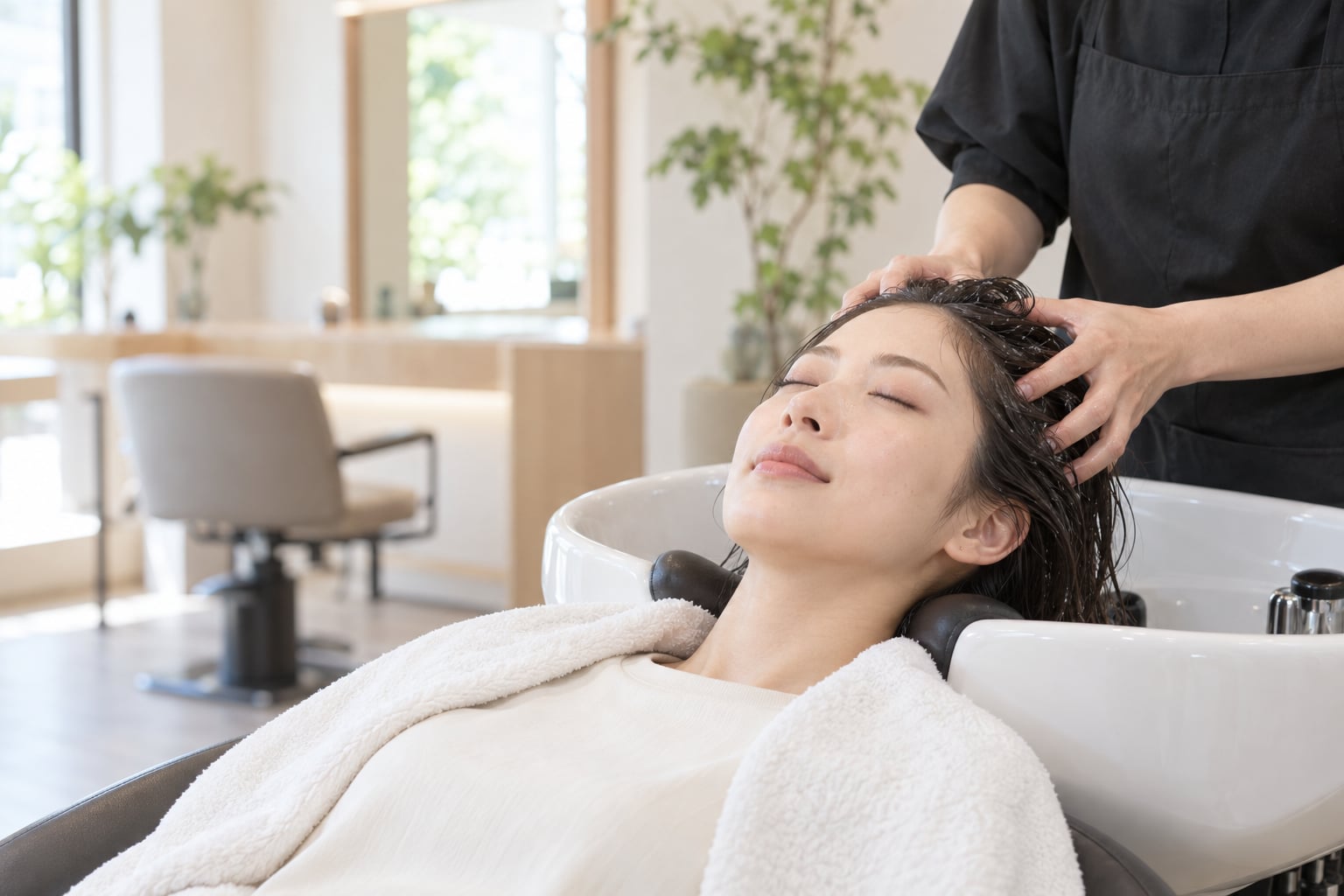
What Is a Japanese Head Spa? How the Treatment Works & How to Book
A Japanese head spa is a beauty treatment that combines scalp cleansing, shampooing, and massage.
Offering a deeply relaxing experience through scalp cleansing and thorough kneading, Japanese head spas have been attracting visitors from around the world.
Beyond simple relaxation, these treatments are prized for their scalp and hair care benefits as well.
That said, the exact services offered, products used, and massage techniques can vary considerably from salon to salon and from course to course.
There are also two main styles: the wet type, which involves wetting the hair, and the dry type, which kneads the scalp and head without any water.
In this article, we explain the treatment details, what to expect on the day, the different types available, and key things to know before making a reservation.
If you are visiting a Japanese head spa for the first time, this guide is for you.

What Japanese Head Spas Include — and How Salons Differ
A typical Japanese head spa combines scalp cleansing, shampooing, massage, and a conditioning treatment into a single session.
However, the specific details — including the products used and the areas treated — differ depending on the salon and the course you choose.
Hair salons typically offer head spa add-ons lasting around 15 to 30 minutes that can be booked alongside a cut or colour, making them easy to fit into your visit.
Dedicated head spa studios, on the other hand, begin with a consultation and scalp assessment before delivering a more thorough massage-focused treatment.
The treatment area may extend beyond the head to include the neck and shoulders as well.
The shampoos, treatments, and scalp care products used also vary widely from salon to salon.
Whether you want a quick add-on alongside a haircut or a longer, massage-centred session, the right type of salon will depend on what you are looking for.
Rather than choosing based on the name alone, be sure to check exactly what is included before making your booking.
The Treatment Flow: From Consultation to Finish

The flow of a head spa session differs depending on whether you choose the wet or dry type.
With the wet type, a scalp check, cleansing, shampoo, and massage follow the consultation, after which the hair is rinsed, dried, and styled.
The dry type, by contrast, uses no water or shampoo.
After the consultation, the therapist works directly on the head, neck, and shoulders through kneading and massage before the session concludes.
Below, we look at what happens during each part of the treatment.
Consultation · Scalp Check · Cleansing · Massage
Both types begin with a consultation.
Share the condition of your scalp and hair, any concerns you have, and your preferred pressure level with your therapist.
Some salons also use a specialised camera to assess the condition of your scalp.
In the wet type, oils or gels are applied to loosen buildup that regular shampooing cannot remove, followed by a thorough cleansing shampoo.
Once the scalp has been cleansed, the session moves into a massage using creams, serums, or oils.
The dry type, by contrast, involves no water or shampoo — the therapist works on the head while the hair remains dry. Depending on the salon or course, the treatment may extend to the neck and shoulders.
Rinse · Dry · Styling
Once the massage is complete, any remaining cream or oil is carefully rinsed from the scalp and hair.
A conditioning treatment may then be applied before the hair is dried.
Because the wet type involves wetting the hair, blow-drying is almost always included as part of the service.
Some salons and courses also include a blow-dry and light styling.
If you have plans straight after your appointment, it is worth confirming exactly how the session finishes before you book.
Choosing Between Wet, Dry, and Massage-Focused Treatments

Now that you know there are two main types, you may be wondering which one is right for you.
The wet head spa is ideal if you want to care for your scalp and hair, as it removes the excess sebum and buildup that everyday shampooing leaves behind.
The appeal lies in giving your scalp a thorough cleanse while conditioning your hair at the same time.
Add a treatment to the mix and you can work toward noticeably smoother, softer hair.
The dry head spa, on the other hand, is recommended for those who prioritise relaxation, as it focuses on relieving tension in the head and neck. It is also a great choice if you suffer from eye strain or stiffness around the neck and shoulders.
Research has even suggested that head massage may increase parasympathetic nervous system activity, further highlighting its relaxation benefits.
Many salons also offer courses — whether wet or dry — that incorporate massage of the head, neck, and shoulders.
If deep kneading and tension relief are your priority, check the treatment area when comparing options.
Neither type is inherently superior to the other.
Choose based on your goal: opt for dry if you are seeking relaxation or relief from head and eye fatigue, and go for wet if scalp and hair care is your main aim.
Head Spas Are Beauty Services, Not Medical Treatments
A head spa is a beauty service designed for scalp and hair care as well as relaxation.
Kneading the head and neck area is associated with potential benefits such as relieving eye strain, easing neck and shoulder tension, and supporting the autonomic nervous system.
However, it is not a medical treatment performed at a healthcare facility, so it is not intended to treat illness or promote hair regrowth.
If you are experiencing scalp itching, pain, hair loss, or other concerning symptoms, please consult a medical professional rather than relying on head spa treatments alone.
Before You Book: Check Treatment Duration, Budget & Hair History
Before booking a head spa, take a moment to review the treatment duration, your budget, and any previous hair services you have had.
One thing to be careful about is scheduling plans immediately after the time listed on the menu. In addition to the actual treatment, you may need extra time for the consultation, changing, blow-drying, and styling.
If you are visiting while travelling, build in a comfortable buffer before your next sightseeing or dining plans.
When it comes to budget, check whether the listed price includes extras such as shampoo, treatment, and blow-drying — not just the base service.
Because prices vary depending on the treatment and duration, it is important to confirm the total cost of the course you want.
If you have had colour, bleach, a perm, or a straightening treatment, make sure to mention this during the consultation.
The products and techniques used may be adjusted based on the condition of your hair and scalp.
Communicating your hair condition clearly — beyond just timing and price — is the key to getting a head spa experience that truly meets your expectations.
Browse the Detailed Pricing, Duration & Comparison Guide
Before booking, take the time to review pricing in detail, understand how long each session takes, and learn how salons differ from one another.
Prices vary depending on the treatment content, course duration, and products used.
Setting a budget in advance makes it easier to compare salons and find one that balances the treatment you want with a price that works for you.
Even within the same category of head spa, there is considerable variety — beyond the wet-dry distinction, some salons specialise in scalp care while others focus primarily on massage.
When reviewing duration, look at the total time including consultation, blow-drying, and styling — not just the treatment itself.
Use the treatment you want, your budget, and your travel itinerary as your guide to finding the salon that is right for you.
Find a Trusted Head Spa in Japan
In Japan, you will find two main types of head spa: the wet head spa available at hair salons, and the dry head spa centred around massage.
When searching for the right salon, look beyond the treatment details and check pricing, session length, and how the salon handles previous hair treatment history.
If you are visiting during a trip to Japan, also check ease of access, the booking process, and whether the salon offers support in your language — this will help you feel at ease during your visit.
To book a head spa in Japan, we recommend Japan Salon Booking, a platform that lets you send reservation requests to multiple salons at once.
Simply select up to four salons you are interested in and send a single booking request to all of them together.
Each salon then reviews your request, and your booking is confirmed with the first one to approve it.
Please note that your reservation is not confirmed at the time you submit the request — wait for approval from one of the salons.
The biggest advantage is that you no longer have to contact salons one by one, wait for each reply, and then move on to the next — it saves you considerable time and effort.
Use the filters for your preferred treatment, date and time, and area to find the perfect head spa for you.
Reviewed by
菊池 拓人
Hairdresser / Head of Platform Business, CODRiSE Inc.
Licensed hairdresser in Japan. Spent about 12 years at large salons in Tokyo, in areas such as Kamikitazawa, Nakano and Kichijoji, specialising in men's cuts and perms and working as a stylist and assistant manager. Still works on the salon floor today, alongside leading the platform business at CODRiSE Inc.
Last reviewed: 2026-11-02
Frequently asked
What types of head spa are available in Japan?
There are two main types: the "wet type," where hair is dampened before treatment, and the "dry type," which uses no water and focuses on massaging the scalp with the hands.
Should I choose a wet or dry head spa?
If you want to care for your scalp and hair condition, go with wet. If you're looking to relax or relieve tension in your head and eyes, dry is the better fit. Neither is superior — it simply comes down to your purpose.
Can a head spa fix scalp or hair concerns?
A head spa is a beauty service, not a medical treatment. It is not intended to treat conditions or promote hair growth. If you are experiencing scalp itching, pain, or hair loss, please consult a medical professional as appropriate.
Is there anything I should check before booking?
Three things: treatment duration, budget, and your hair history. If you schedule something immediately after your appointment based only on the listed service time, you may run short once consultation, changing, blow-drying, and styling are factored in. Be sure to mention any history of colouring, bleaching, perming, or straightening during the consultation.