
Hair Salon Etiquette in Japan: What to Know Before Your Visit and Consultation
Whether it's your first time at a Japanese hair salon, this guide has everything you need to feel confident from the moment you walk in. We cover what to prepare before your visit, how to communicate your wishes during the consultation, and the etiquette to keep in mind while your treatment is underway. Because getting your hair done abroad comes with its own unique considerations, we've put together all the key tips you'll want to read before booking your appointment.
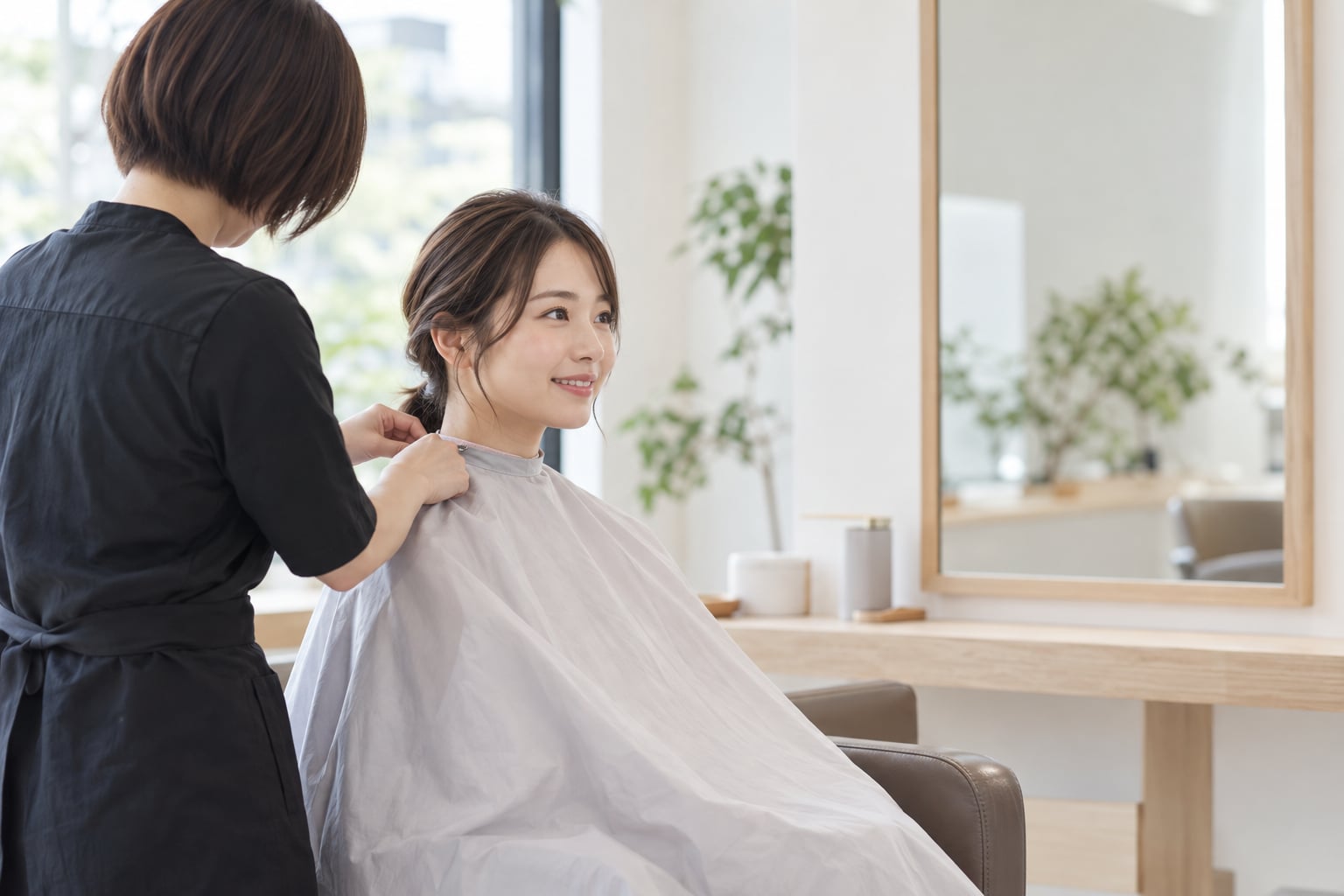
When visiting a hair salon in Japan as a foreign tourist, it's important to be aware of local customs and etiquette. That said, there aren't all that many rules to keep in mind. The key basics include making a reservation in advance and knowing that consultations are conversation-based — get these down and you'll be well prepared for your visit.
This article walks you through everything step by step — from preparing for your appointment to how to spend your time during the treatment. Keep in mind that practices vary from salon to salon, so treat this as a general guide.
Arrival Time and What to Bring

Before your visit to a Japanese hair salon, start with the basics. Here's what to know ahead of time: whether to book in advance, when to arrive, and what to bring on the day.
Check Whether You Need a Reservation or Can Walk In
Most hair salons in Japan operate by appointment. Walk-ins may be accommodated if slots are available, but at popular salons in the city — especially on weekends or before public holidays — you could be turned away or face a long wait without a reservation.
If you already know which salon you'd like to visit and when, booking ahead is strongly recommended. Reservation methods vary by salon — some can be booked directly through salon search sites, while others accept bookings via their social media pages.
How Early to Arrive on the Day of Your Appointment
There's no strict rule about how many minutes early you should arrive. Showing up 5–10 minutes before your appointment time is perfectly fine. However, arriving significantly late may result in a shortened treatment or automatic cancellation under the salon's policy, so do your best to be on time.
If you think you might be late, a quick phone call to the salon will go a long way toward a smooth experience when you arrive.
What to Bring and What to Wear
Use the following as a guide for what to bring and what to wear on the day of your salon visit.
Day-of Checklist | Guidelines |
What to Bring |
|
What to Wear |
|
Since consultations at Japanese salons are primarily conducted in Japanese, having reference photos makes it much easier to convey the length, texture, and color you're after. Payment methods also vary by salon, so check in advance and come prepared.
There are no strict dress rules, but since you'll be having work done on your hair, it's wise to avoid high-neck or turtleneck tops to prevent clippings or chemicals from getting on your clothing. For longer treatments like perms or straightening, comfortable clothes are a good idea.
How to Communicate Your Wishes and Confirm Your Treatment Plan

Because salons offer such a wide range of services, knowing how to communicate what you want — and the result you're after — is key. Let's take a closer look at how to express your wishes effectively at a Japanese salon.
Start by Sharing Your Wishes During the Consultation
Before any cut, color, or other treatment begins, Japanese salons open with what's called a カウンセリング (consultation) — a one-on-one conversation to confirm what you want. During this time, you can discuss the following with your stylist:
- Assessment of your hair's texture, curl pattern, and condition
- Alignment on the treatment and desired result
- Final confirmation of the service plan
The consultation isn't just a formality — it's an important step where your stylist assesses your hair's condition and recommends the right treatments for the look you want. Bring your reference photos to show during this time, and don't hesitate to raise any concerns you have.
Communicating the Treatment and Result You Want
When communicating what you want, be as specific as possible using menu names, numbers, and reference images:
- State the treatment you'd like by name, such as "cut" or "treatment"
- Specify the length you want in centimeters (e.g., "cut ○cm")
- Show a photo that's close to the look you're going for
Since most Japanese stylists speak Japanese, using numbers and the menu terms posted in the salon will help minimize misunderstandings. If you know exactly what you want, consider preparing a written note in Japanese along with your reference photo — it can make communication much smoother.
Check the Final Result in the Mirror Before You Leave
At most Japanese salons, you'll be shown the finished result in a mirror after your cut. If anything doesn't match what you had in mind — during or after the treatment — speak up right away.
Mentioning something like "I'd like it a little shorter" will not only get it adjusted — your stylist may also share tips on how to style it at home. If anything feels off, don't be shy: speak up and discuss the result with your stylist.
Salon Etiquette During Your Treatment and How to Express Your Preferences
You might wonder whether you're expected to chat with your stylist during the treatment. Here's what you need to know about conversation and how to spend your time at a Japanese salon.
Staying Quiet Is Not Rude
Not talking during the treatment — beyond the consultation and final check — is perfectly acceptable. Japanese salons welcome both those who enjoy chatting and those who prefer a quiet experience.
Some salons even let you indicate at the time of booking whether you'd prefer a quiet visit — so there's no need to force conversation if it's not your thing.
Using Your Phone or Reading During the Treatment Is Fine
Scrolling through your phone or reading a book you've brought along is generally perfectly fine during your treatment. Some salons even have tablets at each seat with magazines, e-books, or videos you can browse while you wait.
During color or perm treatments when the stylist steps away while chemicals process, many guests relax with their phone or a book. That said, when getting your bangs trimmed, it's best to keep your hands free and look straight ahead — having a phone or book in your lap can interfere with the cut.
Whether you'd prefer a quiet visit or enjoy a bit of conversation during your treatment, many salons will accommodate your preference — just mention it when making your online reservation.
Shampoo Stations, Styling Capes, and What to Do With Your Belongings

Most Japanese salons are equipped with dedicated shampoo stations, cutting capes, and a system for looking after your belongings during the treatment. Here's what to expect when it comes to the flow of your visit and how your personal items are handled.
How Shampoo Services Work at Japanese Salons
Most Japanese salons have dedicated shampoo stations with reclining seats. Once you're seated, the stylist or an assistant will recline the chair and rinse out any chemicals or apply shampoo and conditioner using the built-in water fixtures.
The shampoo process varies by salon — some use automated equipment, while others have an assistant wash your hair by hand. If the water temperature or pressure isn't to your liking, feel free to say so: 「熱いので温度を下げてください」("The water is a bit hot, could you turn it down?") or 「もう少し弱めにお願いします」("Could you use a little less pressure?") are perfectly fine to say.
Styling Capes and Where to Put Your Belongings
When getting a cut, perm, or straightening treatment, the salon will drape a dedicated cape or gown over you to protect your clothes. The cost is included in your service fee, so there's no need to worry about any extra charges.
Coats and bags you don't need during your appointment can be stored on shelves or in lockers near the reception desk. If you place your phone or a book in the locker and want it mid-treatment, you'll need to ask a staff member to retrieve it — so it's a good idea to take those items out beforehand.
Belongings policies vary by salon to prevent any issues, so be sure to follow the instructions given to you on the day of your visit.
Speak up if anything bothers you during your treatment
If at any point during your appointment you feel uncomfortable or have a concern — such as the examples below — let your stylist or assistant know right away.
- The shampoo water is too hot or too cold
- The scalp massage is too firm or too gentle
- The cape feels too tight around your neck
In most cases, any discomfort can be addressed immediately once you mention it. Even if your Japanese is limited, a short phrase or gesture will get the message across — don't hesitate to speak up.
How Japanese Salons Differ from Those Abroad
Japanese hair salons have their own distinct characteristics compared to salons in other countries. While practices naturally vary from one salon to the next, below is an overview of the general differences you can expect between Japan and overseas.
Key Differences Between Japanese and International Hair Salons
See the table below for a summary of the main differences between Japanese and international hair salons.
Category | Japanese Salons | Western Salons | Notes |
Staffing | Multiple staff members often handle different stages of your appointment | One stylist typically handles everything from start to finish | Single-stylist salons do exist in Japan as well |
Booking | Appointments are standard | Both appointments and walk-ins are common | Some salons accept walk-ins if there's availability |
Consultation | Thorough pre-service consultations are the norm | Consultation length varies by salon and price range | Higher-end salons tend to spend more time on consultations in both countries |
Shampooing | Reclining shampoo basins are standard | Forward-lean or reclined — varies by salon | Method and whether a scalp massage is included depends on the salon |
Conversation | Sitting quietly is perfectly normal and not considered rude | Chatting with your stylist is more of a cultural norm | Personal preference always comes first — just let them know |
Service and style vary from salon to salon regardless of country. When visiting a new salon, take a moment to review each establishment's services and follow any guidance given on the day.
Guidelines, Not Rules — Every Salon Is Different
The tips and etiquette covered in this article are not strict rules you must follow, but rather common tendencies observed at Japanese salons. Knowing them will help your visit go smoothly, but practices do vary by salon — so always follow the instructions provided on the day.
Japanese and international salons each have their own strengths — neither is simply better or worse. The right fit depends on your personal preferences and how well a salon's approach matches your own. If you're unsure, check out a salon's style and reviews before booking to find the best match for you.
Your Guide to Tipping, Payment, and Cancellations Before You Book
Japan's cultural norms around money and service differ significantly from those in Western countries, so it's worth knowing about tipping, payment methods, and cancellation policies before you book. Here's what to expect when it comes to fees and reservations at Japanese hair salons.
There Is No Tipping Culture in Japan
In Japan, tipping is not customary — and this includes hair salons. Offering a tip may cause confusion, and it may be politely declined or refunded, creating an awkward situation for the staff.
If you want to show your appreciation, a heartfelt thank-you, a return visit, or leaving a positive review is the best way to do it.
Payment Methods: Cash, Card, and More
Payment options at Japanese hair salons vary by location, but the most common include:
- Cash
- Credit and debit cards
- QR code payments
- IC transit cards
Accepted payment methods differ by salon, and some establishments are still cash-only. For a first visit, it's worth checking the salon's website or contacting them in advance to avoid any payment issues on the day.
Notify the Salon as Early as Possible for Cancellations or Changes
If you need to change or cancel your salon appointment, reach out as early as you can. Cancellation deadlines and fees vary by salon, so it's a good idea to check the policy at the time of booking.
For Travelers: A Pre-Visit Checklist for Japanese Hair Salons
To wrap up, here is a checklist based on the etiquette tips and common practices covered in this article — review it before your visit.
- Confirmed how to contact the salon and what communication methods are available
- Prepared reference photos of the look you want
- Made note of Japanese words and phrases for describing length and other preferences
- Checked the cancellation and rebooking deadline, just in case
- Confirmed your appointment time and how to get to the salon
- Checked which payment methods the salon accepts
Booking procedures and in-salon policies differ from one salon to the next. Use this checklist as your guide for a smooth, stress-free experience.
If you're looking for a hair salon in Japan that welcomes international guests, start your search here.
Find English-Friendly Hair SalonsReviewed by
菊池 拓人
Hairdresser / Head of Platform Business, CODRiSE Inc.
Licensed hairdresser in Japan. Spent about 12 years at large salons in Tokyo, in areas such as Kamikitazawa, Nakano and Kichijoji, specialising in men's cuts and perms and working as a stylist and assistant manager. Still works on the salon floor today, alongside leading the platform business at CODRiSE Inc.
Last reviewed: 2026-11-02
Frequently asked
Do I need a reservation at a hair salon in Japan?
Most hair salons in Japan operate on a reservation basis. Walk-ins may be accepted if there is availability, but at popular salons in urban areas or around weekends and public holidays, you risk being turned away or facing a long wait without a booking.
How early should I arrive on the day of my appointment?
There is no strict rule, but arriving 5 to 10 minutes before your appointment time is perfectly fine. If you are running significantly late, your treatment time may be shortened or your booking cancelled under the salon's cancellation policy, so please call ahead if you think you will be delayed.
What should I bring on the day?
Bring reference photos of the look you want, along with cash or a card or smartphone for payment. For clothing, a top with a low or open neckline is a safe choice to avoid hair clippings and chemicals, and if you are in for a longer service such as a perm or straightening treatment, something comfortable to sit in for an extended period is recommended.
What is discussed during the consultation?
The stylist will check your hair's natural texture and condition, confirm the service and finish you are hoping for, and run through the final details of your treatment. Being specific — for example, saying「〇cm切ってください」(Please cut off ○ cm) — or showing a photo close to your desired result helps minimise misunderstandings.